Understanding Rain Gardens and Their Role in Stormwater Management
Rain gardens are specially designed landscaped areas that collect and absorb rainwater runoff from impervious surfaces like roofs, driveways, and sidewalks. By capturing stormwater, they reduce runoff volume, filter pollutants, and allow water to infiltrate the soil, promoting groundwater recharge.
Key functions of rain gardens include:
- Runoff Reduction: Diverts water from storm drains and sewers, mitigating flooding risks. Pollutant Filtration: Plants and soil microorganisms naturally filter contaminants such as oils, heavy metals, and sediments. Water Retention and Groundwater Recharge: Improves water absorption into the soil, replenishing aquifers rather than losing water as surface runoff. Habitat Creation: Supports native wildlife and promotes biodiversity through ecological landscaping.
Integrating rain gardens within sustainable landscaping frameworks supports urban stormwater solutions and low-impact development (LID) strategies.
Planning Your Rain Garden: Site Assessment and Design Considerations
Effective rain garden construction starts with comprehensive site assessment and deliberate design planning to ensure proper water flow, infiltration, and plant health.
Consider these critical factors:
- Catchment Area: Measure the impervious surface area draining into the rain garden to estimate expected water volume. Hydrology Analysis: Understand local rainfall patterns and soil saturation levels. Landscape Grading and Contouring: Utilize microtopography and slope stabilization techniques to direct water towards the garden while preventing erosion. Soil Testing and Permeability: Evaluate soil texture and infiltration rate; amend soil as necessary to optimize filtration capacity.
Mapping out the rain garden with an eye toward integration with existing drainage systems enhances effectiveness and longevity.
Selecting the Right Location Based on Drainage Systems and Subgrade Preparation
Choosing an optimal location requires aligning the rain garden placement with natural or engineered drainage infrastructure such as storm drains or detention basins.
- Identify low-lying areas or natural depressions where water naturally accumulates. Ensure subgrade preparation includes soil compaction reduction for proper infiltration. Grade the site to create an infiltration basin or detention basin that slowly disperses water into the surrounding soil. Avoid placing gardens too close to building foundations or septic systems to prevent water damage.
Proper subgrade preparation and grading ensure the rain garden performs as intended, mitigating excess runoff and minimizing soil erosion.
Soil Amendment and Filtration for Optimal Rain Garden Performance
Soil quality is foundational to rain garden success. Amending soil improves permeability, enhances root zone conditions, and increases pollutant filtration capabilities.
- Topsoil: Use high-quality topsoil with good structure to support vegetation growth and microbial activity. Compost Incorporation: Mixing compost enriches soil nutrients and boosts organic matter content, improving water retention and filtration. Soil Permeability: Adjust soil texture to balance infiltration and retention by adding sand or organic amendments where needed. Soil Filtration: Well-structured soil traps sediments and filters pollutants before water reaches groundwater.
Maintaining appropriate soil structure supports healthy plant roots and sustains biofiltration functions essential to environmental landscaping.
Mulch Application and Soil Protection Techniques
Mulching plays a vital role in sediment control and erosion prevention in rain gardens.
- Apply a 2-3 inch layer of organic mulch, such as shredded bark or wood chips, to protect soil from raindrop impact and runoff erosion. Mulch conserves soil moisture, reducing watering requirements and promoting drought tolerance. Regularly replenish mulch to maintain its protective benefits and prevent weed growth that competes with rain garden plants.
Proper mulch application enhances both soil health and rain garden aesthetics.
Choosing Appropriate Plants for Rain Gardens
Plant selection is fundamental to rain garden effectiveness. Choosing native and moisture-adapted species ensures resilience and maximizes ecological benefits.
- Native Plants: Select species adapted to local climate and soil conditions for lower maintenance and better survival rates. Moisture Loving Plants: Include wetland and riparian buffer species that thrive in saturated soils during rain events. Drought Tolerant Plants: Incorporate plants able to withstand dry periods between storms. Biofiltration Plants: Use grasses, sedges, and flowering perennials that help remove pollutants from stormwater.
A well-designed planting scheme creates a vibrant vegetation buffer that stabilizes soil and provides habitat for pollinators and urban wildlife.
The Role of Wetland Restoration and Ecological Restoration in Plant Selection
Integrating principles of wetland and ecological restoration enhances rain garden performance and contributes to urban forestry and environmental landscaping goals.
- Use native wetland plants to mimic natural ecosystems and improve water quality. Restore degraded landscapes by establishing diverse plant communities supporting ecological resilience. Consider seasonal dynamics and plant succession patterns to maintain year-round functionality.
This approach supports sustainable landscaping practices by fostering ecological integrity within constructed rain gardens.
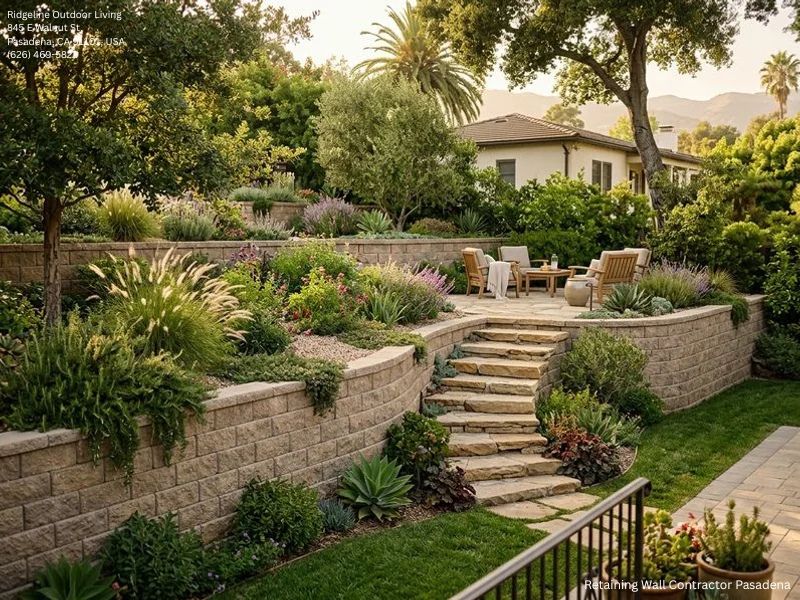
Incorporating Green Infrastructure Elements in Landscape Construction
Rain gardens often function best when paired with complementary green infrastructure features enhancing stormwater management systems.
- Bioswales: Linear vegetated channels that convey and filter runoff. Permeable Surfaces: Use permeable pavements in surrounding areas to reduce runoff volume entering the garden. Rain Barrels and Water Harvesting: Collect roof runoff to supplement irrigation and reduce water waste. Stormwater Ponds: Integrate larger detention or retention ponds for upstream stormwater control. Infiltration Trenches: Enhance underground water percolation in conjunction with surface rain gardens.
These elements collectively improve water retention, pollutant filtration, and flood control within urban and suburban landscapes.
Construction Steps: From Grading to Final Planting
Constructing a rain garden involves precise execution of landscaping services near me ridgelineoutdoorliving.com multiple steps, ensuring proper hydrologic function and landscape integration.
Site Preparation: Clear the area of debris and unwanted vegetation while preserving existing healthy soil. Landscape Grading: Shape the garden basin with appropriate depth, slope, and contouring to retain water temporarily. Soil Amendment: Incorporate compost and amend soil for optimal permeability and nutrient availability. Swale Design and Slope Stabilization: Construct swales or berms as needed to direct water flow and prevent erosion. Root Zone Preparation: Loosen soil in planting zones for deep root penetration and healthy plant establishment. Planting Techniques: Arrange plants according to moisture zones, install mulch, and ensure proper spacing for growth.Following these phases carefully produces a functional, sustainable rain garden adapted to your specific site conditions.
Maintenance Tips for Long-Term Rain Garden Health
Ongoing care ensures the effectiveness and aesthetic appeal of your rain garden over time.
- Erosion and Sediment Control: Repair any rills or gullies caused by water flow promptly to prevent soil loss. Soil Testing: Periodically test soil nutrients and permeability to adjust amendments if necessary. Watering Requirements: Supplement watering during dry spells until plants are well established. Pest Management: Monitor for invasive species or pests and use eco-friendly control methods. Debris Removal: Clear litter and accumulated sediment regularly to maintain infiltration rates. Mulch Replenishment: Replace mulch annually to sustain soil protection and moisture retention.
Consistent maintenance maximizes your rain garden’s lifespan, providing sustained benefits for flood control and environmental impact reduction.
Benefits of Rain Gardens for Flood Control and Environmental Impact
Rain gardens offer numerous environmental and community advantages, making them a cornerstone of sustainable landscaping efforts.
- Flood Control: By intercepting and absorbing stormwater, rain gardens reduce peak runoff volumes that overwhelm drainage systems. Runoff Reduction: Decreased volume and velocity of runoff minimize soil erosion and downstream sedimentation. Groundwater Recharge: Enhanced infiltration replenishes groundwater supplies vital for ecosystem health and human use. Pollutant Filtration: Natural filtration processes remove harmful chemicals and nutrients, improving water quality. Sustainable Landscaping: Supports climate-resilient plantings and reduces reliance on mechanical stormwater infrastructure.
Implementing rain gardens is an investment in ecological restoration, urban forestry enhancement, and long-term community resilience.

Frequently Asked Questions About Landscape Construction for Rain Gardens
What is a rain garden and how does it work?
A rain garden is a shallow depression planted with native vegetation designed to collect and infiltrate rainwater runoff from impervious surfaces, filtering pollutants and recharging groundwater.
How do I determine the best location for a rain garden on my property?
Select a low-lying area away from building foundations and septic systems, where water naturally flows or pools. Conduct soil testing and assess drainage patterns to ensure suitability.
What types of soil are best for rain garden construction?
Loamy soils with good permeability are ideal. Sandy loam amended with compost can enhance infiltration and nutrient availability while supporting plant growth.
Which plants are most effective for filtering stormwater?
Native wetland plants, moisture-loving perennials, grasses, and sedges with dense root systems excel at biofiltration and pollutant uptake.
How often should a rain garden be maintained?
Routine maintenance is recommended seasonally, including weeding, mulching, debris removal, and soil inspections to sustain garden health.
Can rain gardens help reduce flooding and erosion?
Yes, by slowing runoff, increasing infiltration, and stabilizing soil, rain gardens significantly reduce flooding risks and erosion damage.
What is the difference between a rain garden and a bioswale?
While both manage stormwater, rain gardens are shallow landscaped basins designed for infiltration, whereas bioswales are linear channels that convey and filter runoff.
Are there any permits required before building a rain garden?
Permit requirements vary by location. Check with local municipal planning departments or environmental agencies to confirm regulations before construction.
ConclusionLandscape construction for rain gardens offers an effective, eco-friendly solution to managing stormwater runoff, improving water quality, and enhancing urban green spaces. By following detailed planning, proper soil amendment, strategic plant selection, and diligent maintenance, you can create a thriving rain garden tailored to your site’s unique hydrology and landscape needs. Whether you are a homeowner, landscape professional, or environmental planner, investing in rain garden construction supports resilient landscapes and healthier ecosystems. Start planning your rain garden today and make a meaningful impact on your property and community’s environmental future.